China lodges representation over frequent detention of Chinese citizens by Philippine side, demands information and reasons within 4 days: embassy spokesperson

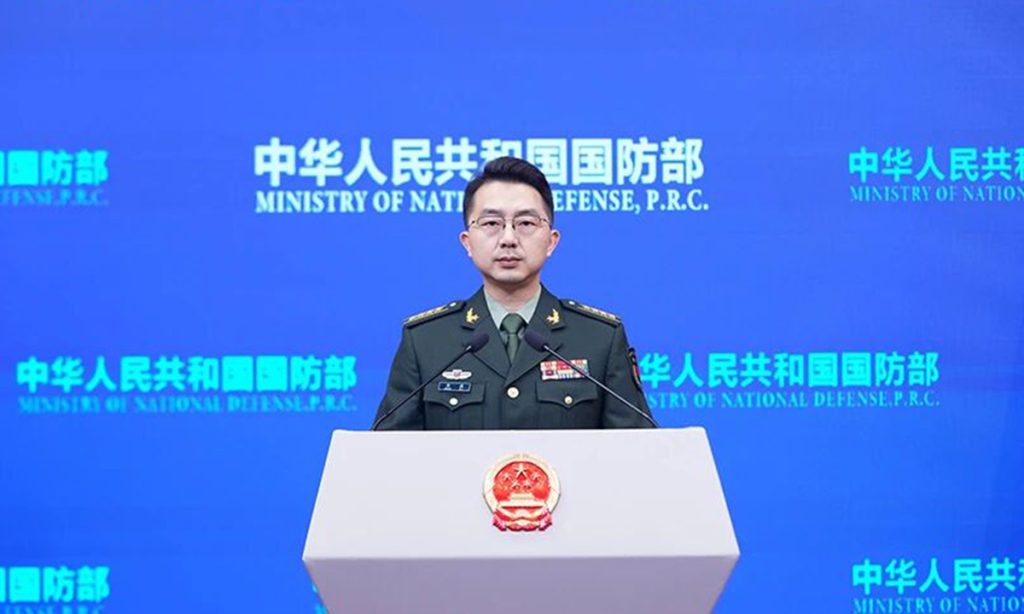
China attaches great importance to protecting the personal safety and legitimate rights and interests of Chinese citizens in the Philippines, and expresses grave concern over the recent frequent detention of Chinese citizens by Philippine military and law enforcement authorities, the spokesperson Ji Lingpeng of China's embassy in the Philippines said, according to the embassy's WeChat account on Wednesday.
The Chinese Embassy and Consulates in the Philippines have immediately lodged stern representations with the Philippine side over each case, the spokesperson said.
"We demand that in accordance with the Consular Agreement between the People's Republic of China and the Republic of the Philippines, the Philippine side inform our diplomatic missions within four days of any Chinese citizen being detained, arrested or otherwise deprived of liberty, together with relevant reasons, require the Philippine side to handle relevant cases impartially in accordance with law, and effectively guarantee the personal safety, legitimate rights and interests as well as humanitarian treatment of the involved Chinese citizens," Ji said.
If investigations confirm the citizens have violated no Philippine laws, they shall be released without delay, and no illegal or prolonged detention shall be imposed, the spokesperson added.
Meanwhile, the embassy and consulates have provided immediate consular protection and assistance to the affected Chinese citizens. Officials have conducted multiple consular visits to help improve their detention conditions and address difficulties.
China respects the Philippines' judicial sovereignty and law-based case handling, yet firmly opposes selective and discriminatory law enforcement targeting Chinese citizens, Ji said. China urges the Philippine side to properly resolve relevant cases in accordance with the law as soon as possible.
"It must refrain from abusing power for law enforcement or engaging in political manipulation, and must not jeopardize the personal safety and legitimate rights and interests of Chinese citizens, to avoid disrupting normal people-to-people exchanges and economic and trade ties between the two countries," Ji added, noting China reserves the right to take further measures.
Given the frequent detention of Chinese citizens by Philippine law enforcement authorities recently, the embassy once again reminds Chinese nationals in the Philippines to abide by local laws and regulations, engage in lawful employment and business operations, refrain from activities inconsistent with their entry purposes or visa categories, and avoid overstaying, according to the embassy.